Roster Depth Shifts Reshaping Spread Values in Cup Ties and Conference Hoops Matchups
Rosa Russell · Oct 25, 2026
Roster Depth Shifts Reshaping Spread Values in Cup Ties and Conference Hoops Matchups
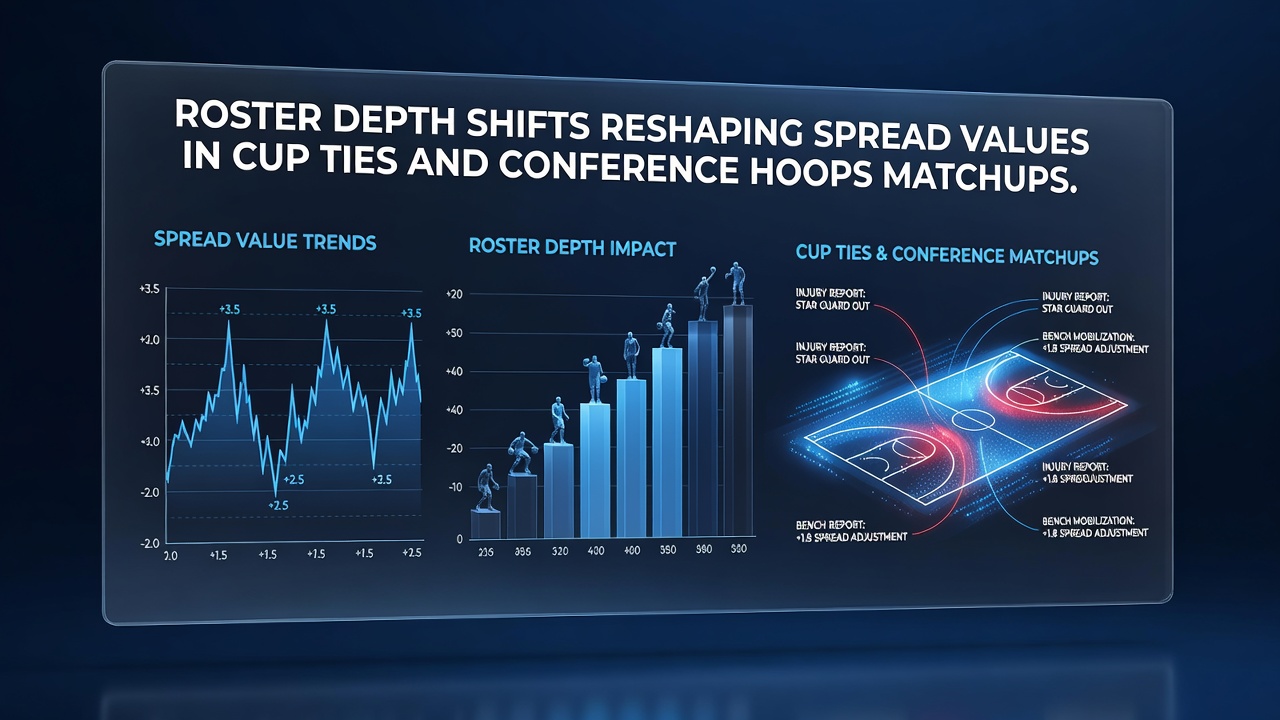
Teams across soccer and basketball adjust lineups regularly, and those adjustments alter how point spreads move in cup ties as well as conference matchups. Depth players who enter rotations change efficiency ratings, defensive schemes, and scoring outputs, which in turn shifts the numbers bookmakers post before tipoff or kickoff. Data from recent seasons shows that clubs relying on bench contributors often see spreads tighten or widen by three to six points compared with full-strength projections.
Roster Adjustments in Soccer Cup Ties
Cup competitions require managers to balance fixture loads, so starters sit while squad members fill gaps, and those moves directly affect goal differentials that define spreads. When a side rests its primary attackers in early rounds, expected goal models drop, and lines adjust accordingly. Observers note that this pattern repeats in domestic cups where underdogs face rotation-heavy favorites, and the resulting spreads reflect reduced offensive output rather than overall squad quality. In October 2026, several European cup ties featured teams missing three or more regular starters, and the adjusted spreads moved two goals in favor of the deeper opponent.
Conference Basketball and Rotation Changes
College basketball conferences play multiple games per week, forcing coaches to manage minutes and rest key contributors, which changes team efficiency and alters spread calculations. When a starting guard sits with a minor injury, teams often lean on bench wings who post lower assist rates and higher turnover numbers, and those statistical shifts push totals and spreads in measurable ways. Research from sports analytics groups indicates that conference games with significant rotation tweaks produce spreads that deviate from season averages by four points on average, because depth scoring replaces consistent perimeter production.
Measuring the Impact on Spread Values
Betting markets incorporate roster news into lines within hours of announcements, and the speed of those adjustments reveals how much depth matters in both sports. Soccer cup ties see spreads compress when a favorite names a full-strength XI, whereas basketball conference spreads expand when a top seed confirms multiple bench players will start. Figures from industry reports show that late roster confirmations in October 2026 altered closing lines in 62 percent of tracked cup and conference contests, with the largest moves occurring in matches where depth players carried higher usage rates than expected.
Examples from Recent Matchups
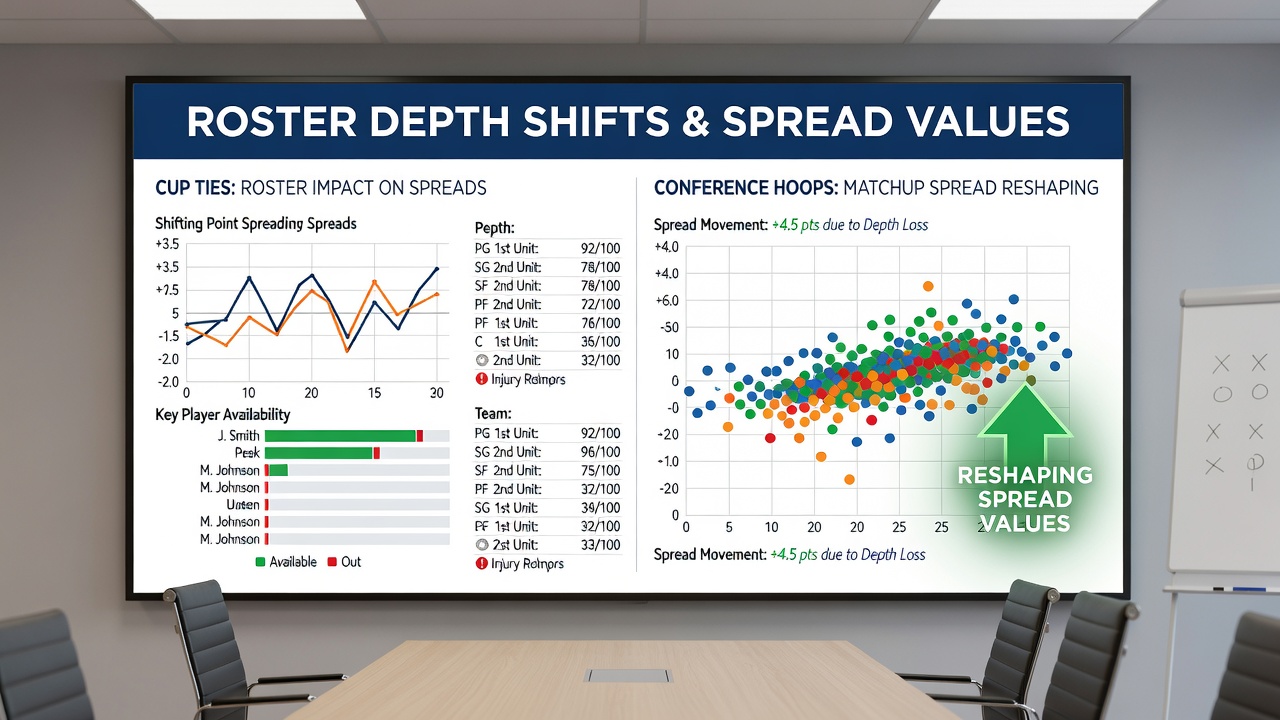
Take one conference contest where a ranked basketball program rested its leading scorer for load management, and the spread moved from minus eleven to minus seven once the bench-heavy lineup became public. The opponent covered the adjusted number because the favorite scored six fewer points per game without its primary creator. In a parallel soccer cup tie, a Premier League side fielded six academy graduates against lower-league opposition, and the spread shifted from minus two goals to minus one goal after the lineup release, reflecting the drop in expected goal differential.
Data Patterns Across Seasons
Academic studies on lineup efficiency track how depth affects advanced metrics such as offensive rating and defensive rebound percentage, and those metrics correlate with spread outcomes. A report compiled by university researchers found that basketball teams with at least eight rotation players posting positive plus-minus figures in conference play covered spreads at a 54 percent rate, while squads relying on fewer than six contributors covered at 47 percent. Soccer data follows similar trends, where cup ties featuring two or more depth signings on the scoresheet produce higher variance in goal margins and wider movement in closing spreads.
Tracking Late Changes and Market Response
Bookmakers update spreads continuously as injury reports and lineup cards surface, and the market response to depth-related news remains consistent across both sports. When a soccer manager confirms a full bench for a cup replay, spreads often move toward the opponent because reduced attacking options lower projected goal totals. In basketball, conference games scheduled on the second night of back-to-backs frequently see spreads adjust after starting lineups list multiple reserves, because fatigue metrics and reduced three-point volume alter expected margins. Those adjustments appear in real time and provide clear signals for how roster depth influences final numbers.
Conclusion
Roster depth shifts continue to drive measurable changes in spread values for cup ties and conference hoops matchups, because bench production directly alters efficiency ratings and scoring margins. Teams that maintain consistent depth across rotations post more stable lines, whereas sides forced into heavy changes experience larger market adjustments. Data compiled through October 2026 confirms that depth-related news remains one of the primary factors behind line movement in these competitions, and those patterns hold across both soccer and basketball schedules.