Night Game Dynamics: Artificial Lighting Impacts on Visibility and Scoring in Evening Fixtures Across Leagues
Rosa Russell · Sep 27, 2026
Night Game Dynamics: Artificial Lighting Impacts on Visibility and Scoring in Evening Fixtures Across Leagues
Artificial lighting shapes visibility and scoring patterns in evening fixtures across major leagues where stadium designs and technology standards vary by region and sport. Data from league records shows that lighting intensity measured in lux directly influences how players track the ball and react during night games while governing bodies set minimum requirements that differ between soccer, basketball, and other codes. In September 2026 leagues across Europe and North America continue to refine these standards as fixture schedules pack more evening slots into calendars to accommodate broadcast demands and weather considerations.
Lighting Standards Across Professional Leagues
UEFA mandates specific lux levels for its competitions while the NBA enforces its own guidelines for indoor arenas that prioritize uniform illumination across courts. Observers note that outdoor soccer pitches require higher average lux readings than many basketball venues because of the larger playing surface and the need for consistent coverage from multiple angles. Research from sports engineering programs indicates that variations in light distribution create zones where visibility drops which affects passing accuracy and defensive positioning in real time during matches.
Visibility Challenges Under Different Systems
Players and officials report that older metal halide systems produce more glare than modern LED arrays yet many stadiums still operate with mixed technology that leads to inconsistent brightness levels. Data collected from multiple European leagues reveals that fixtures using full LED setups record fewer instances of players misjudging high balls compared to venues relying on legacy lighting. Those who've analyzed match footage note that shadow patterns shift with the angle of installed lights and this factor becomes pronounced when teams transition from afternoon warm ups to evening kickoffs.
What's interesting is how these technical differences play out across continents where Australian and Asian leagues have adopted newer LED standards faster than some North American venues. Figures from governing bodies show that investment in lighting upgrades correlates with measurable changes in player error rates during night games though the exact causation requires further longitudinal study.
Scoring Patterns in Evening Fixtures
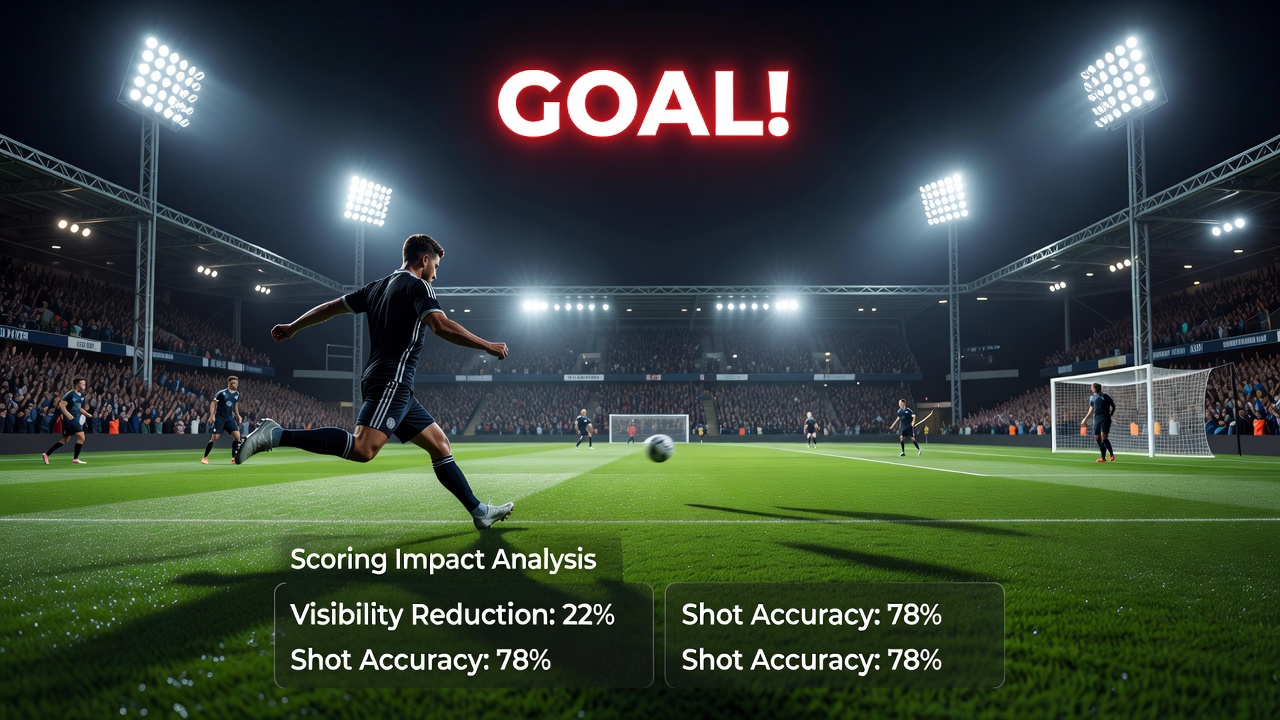
League statistics compiled over recent seasons demonstrate that scoring rates in soccer evening matches sometimes rise when lighting meets or exceeds recommended thresholds while basketball games show steadier point totals regardless of time of day. Researchers have examined datasets from competitions in multiple countries and found that defensive lapses occur more frequently in lower lit areas of pitches during the later stages of matches. One analysis of fixtures scheduled in September across several years highlighted how teams adapt their strategies when they know lighting conditions favor certain attacking patterns over others.
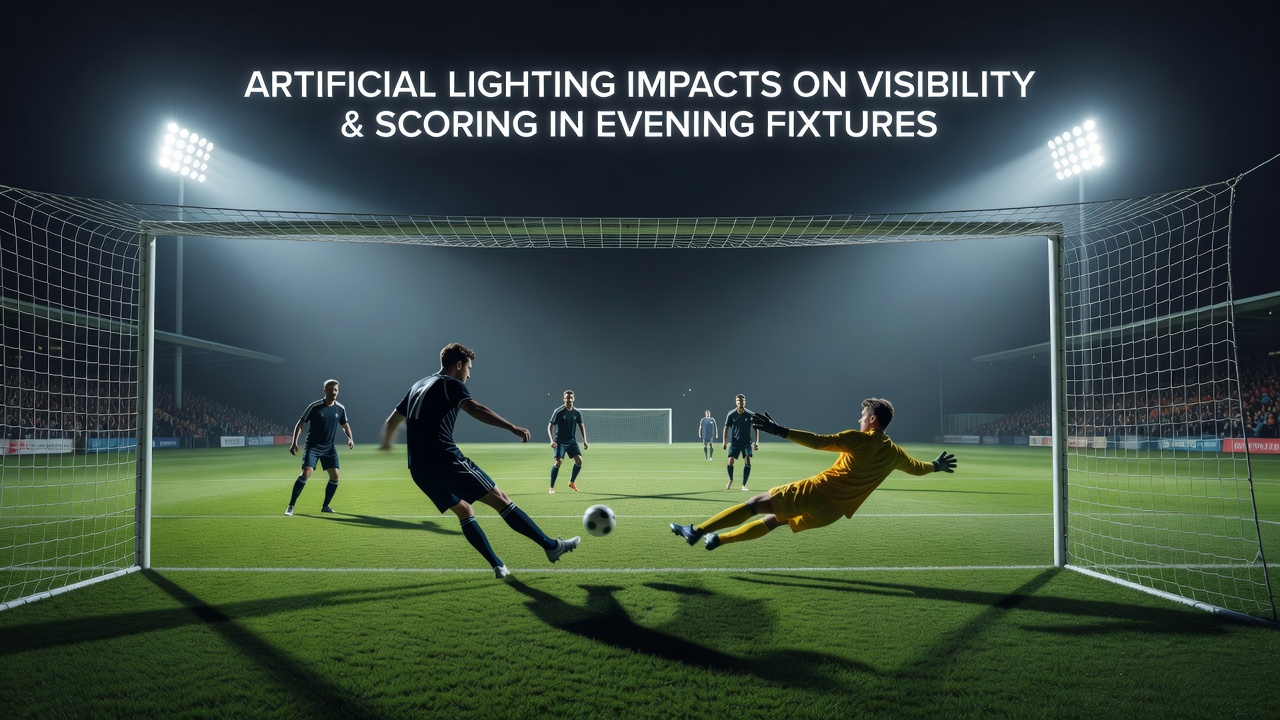
Turnovers and missed shots in basketball sometimes increase when arena lights create reflections on polished floors though modern dimming systems help mitigate this issue. Data indicates that home teams in several leagues maintain slight advantages in evening fixtures when their facilities feature upgraded lighting that visiting sides may not replicate in their own venues. Experts tracking these trends across leagues point to the role of consistent illumination in supporting accurate officiating decisions which in turn influences game flow and final tallies.
Case Examples from Multiple Sports
Take one series of evening soccer matches in a major European competition where upgraded floodlights coincided with higher goal tallies in the second halves according to official match reports. In parallel basketball schedules from North American leagues data shows that teams playing under uniform LED lighting maintain higher field goal percentages late in games compared to those in older facilities. Observers have documented similar patterns in other codes where lighting quality intersects with player fatigue to shape scoring opportunities.
Reports from international sports organizations including those focused on technical development note that ongoing trials of adaptive lighting systems aim to reduce variability across venues. These efforts continue through September 2026 as leagues evaluate performance metrics tied to visibility conditions in both outdoor and indoor settings.
Conclusion
Artificial lighting remains a foundational element in how visibility and scoring unfold during evening fixtures across diverse leagues. Evidence from match data and technical standards continues to guide upgrades that address inconsistencies while supporting player performance and officiating accuracy in real conditions. As schedules evolve the interplay between lighting technology and game outcomes stays central to understanding patterns that emerge in night competitions worldwide.