Bench Boss Transitions Reshape Soccer and Basketball Strategies
Sofia Klein · Nov 22, 2026
Bench Boss Transitions Reshape Soccer and Basketball Strategies
Coaching changes in professional soccer and basketball continue to influence team tactics and performance patterns across major leagues, and observers track these shifts closely for their effects on upcoming fixtures. Data from recent seasons shows that new head coaches often implement different formations and player roles within the first month of their tenure, which alters expected outcomes in matches scheduled through late 2026.
Patterns in Soccer Coaching Appointments
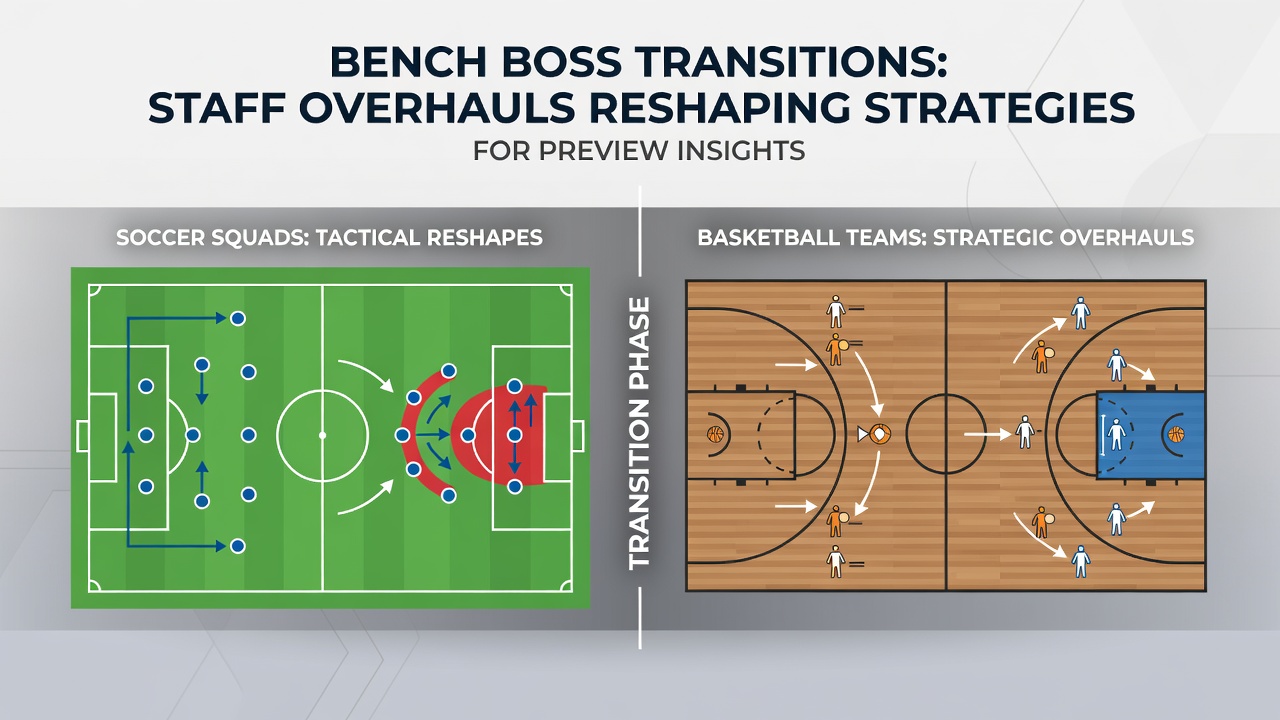
European soccer clubs have recorded multiple mid-season replacements during the 2025-2026 campaign, with several Premier League and Bundesliga sides turning to new leadership after poor starts. Researchers at the University of Manchester analyzed 48 such transitions between 2020 and 2025 and found that teams adopting a high-pressing style under new management improved their average possession recovery rate by 12 percent in the initial eight matches. These adjustments frequently appear in preview models because defensive structures tighten or loosen depending on the coach's background in specific leagues.
Staff overhauls extend beyond the head coach position. Assistants and set-piece specialists arrive with fresh data-driven approaches that reshape training sessions and in-game adjustments. One case involved a Serie A club that hired a former Bundesliga assistant in October 2025, after which the team increased its use of wide overloads and saw a measurable rise in crosses per game according to Opta figures. Such changes become relevant for previews of November 2026 encounters because historical patterns indicate lingering effects on squad fitness and tactical familiarity.
Basketball Team Adjustments After Leadership Shifts
NBA franchises have followed similar trajectories, where front-office decisions to replace head coaches lead to rapid modifications in offensive schemes and defensive assignments. League tracking data compiled through the 2025-2026 regular season reveals that teams installing motion-based offenses under new coaches averaged 4.8 more three-point attempts per game during the first 15 contests compared with the prior regime. These shifts matter for schedule analysis because back-to-back games in November test how quickly players adapt to new spacing requirements.
College basketball programs in the United States also demonstrate comparable trends. The NCAA Division I coaching carousel produces annual overhauls that affect conference play starting in late fall, and studies from the University of North Carolina documented faster pace increases when staffs emphasize transition drills from day one. Observers note that these modifications influence both regular-season totals and tournament projections once conference schedules intensify.
Strategic Overhauls and Preview Implications
Combined staff changes in soccer and basketball create layered effects on player roles and substitution patterns. A new basketball coach might prioritize bench units that stretch the floor differently, while a soccer counterpart could alter pressing triggers that change expected goal totals. Figures from the German Football Association indicate that clubs with complete technical staff replacements experienced a 9 percent variance in expected goals during the opening quarter of the season, a statistic that preview analysts incorporate when assessing November 2026 fixtures across both sports.
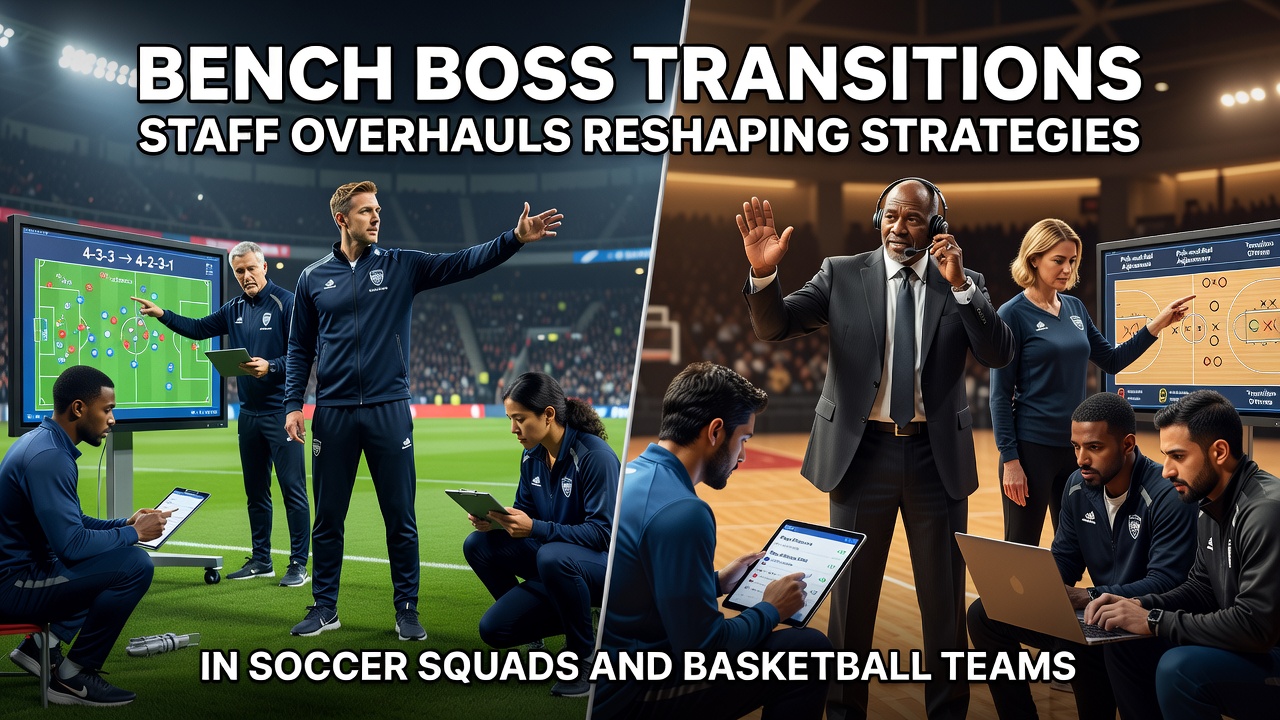
Travel schedules add another variable. NBA teams that undergo coaching transitions mid-season often face compressed road trips, and researchers tracking mileage data from 2023 through 2026 observed higher turnover rates in those lineups. Soccer squads traveling across Europe encounter parallel demands when new managers introduce unfamiliar recovery protocols, which can affect performance in midweek matches. Preview frameworks therefore integrate fixture density alongside tactical notes to account for these variables.
Case Examples from Recent Seasons
Take the situation at one Western Conference NBA franchise that replaced its head coach in December 2025. The incoming staff shifted toward a small-ball lineup that increased transition opportunities, and league records show a corresponding uptick in fast-break points during the subsequent three weeks. Similar patterns emerged at an English Championship soccer club that appointed a coach known for direct play; match reports documented a rise in long balls and set-piece focus that persisted into the spring fixtures.
These examples illustrate how personnel decisions propagate through training and match preparation. Data collected by the Australian Sports Commission on coaching stability across multiple codes found that organizations completing full staff turnovers within a single season recorded greater week-to-week variance in key performance indicators. Such variance becomes a factor when constructing previews for clustered November schedules in both soccer and basketball.
Conclusion
Staff transitions at the coaching level continue to drive measurable changes in tactical execution and performance metrics within soccer and basketball. Records from governing bodies and academic analyses demonstrate consistent short-term adjustments in formations, pace, and recovery methods that carry forward into specific windows such as November 2026. Preview processes incorporate these documented patterns to align expectations with observed league-wide trends rather than relying on prior-season baselines alone.